November 20, 2026
When your energy bill climbs higher every month, it is natural to wonder where all that money is going. In many homes, the answer is the air conditioning system. Cooling a home takes a lot of power, and when something is not working the way it should, the system uses even more. According to HVAC Load, heating and cooling systems make up about 32% of a typical home's total energy consumption. That means even small problems with your AC can show up quickly on your utility statement. The good news is that most of these issues can be spotted and corrected, and timely air conditioner repair can bring your bills back to a more reasonable level. Below are seven common AC problems that waste energy and what they could mean for your home.
Thermostat Settings That Overwork Your System
Your thermostat acts as the brain of your cooling system, so the way it is set has a big effect on how much energy you use. Many people set their thermostat much lower than they need to, hoping the house will cool faster. In reality, the system cools at the same pace no matter how low the number goes, and it simply runs longer to reach that extra-cold target. Over time, this habit adds a surprising amount to your monthly costs.
Location matters too. A thermostat in direct sunlight or near a source of heat reads the room as warmer than it really is, which tricks the system into running when it does not need to. Older thermostats can also lose accuracy and send the wrong signals to your AC. A professional can check your thermostat during air conditioner repair or a routine visit and suggest a programmable or smart model that keeps your home comfortable while using less power.
Dirty Filters That Restrict Airflow
Air filters may seem like a small part of your system, but they play a big role in how efficiently it runs. Their job is to trap dust, pet hair, and other particles before they move through your home. As those particles build up, the filter becomes clogged, and air has a harder time passing through it.
When airflow is restricted, your AC has to work harder and run longer to move the same amount of cool air. That extra effort uses more energy and puts added strain on important parts like the blower motor. Homes with pets, allergies, or a lot of dust tend to see filters clog faster than others. Keeping filters in good condition is one of the simplest ways to protect efficiency, and it is often checked as part of routine service visits. A clogged filter left in place for too long can even lead to bigger problems that require air conditioner repair down the road.
Refrigerant Leaks That Weaken Cooling
Refrigerant is the substance that allows your AC to pull heat out of your home and release it outside. Your system is designed to operate with a specific amount of it, and refrigerant is not something that gets used up over time. If levels are low, it usually means there is a leak somewhere in the system. When refrigerant runs low, your AC struggles to cool the house properly. It may run almost constantly and still leave rooms feeling warm. Common warning signs include hissing or bubbling sounds, uneven temperatures, and ice forming on parts of the unit. Running a system in this condition wastes energy and can wear down the compressor, which is one of the most expensive parts to replace. Refrigerant leaks always call for professional air conditioner repair, since trained technicians have the tools and certification needed to find the leak, seal it, and restore the system to the right level safely.
Leaky Ducts That Waste Cool Air
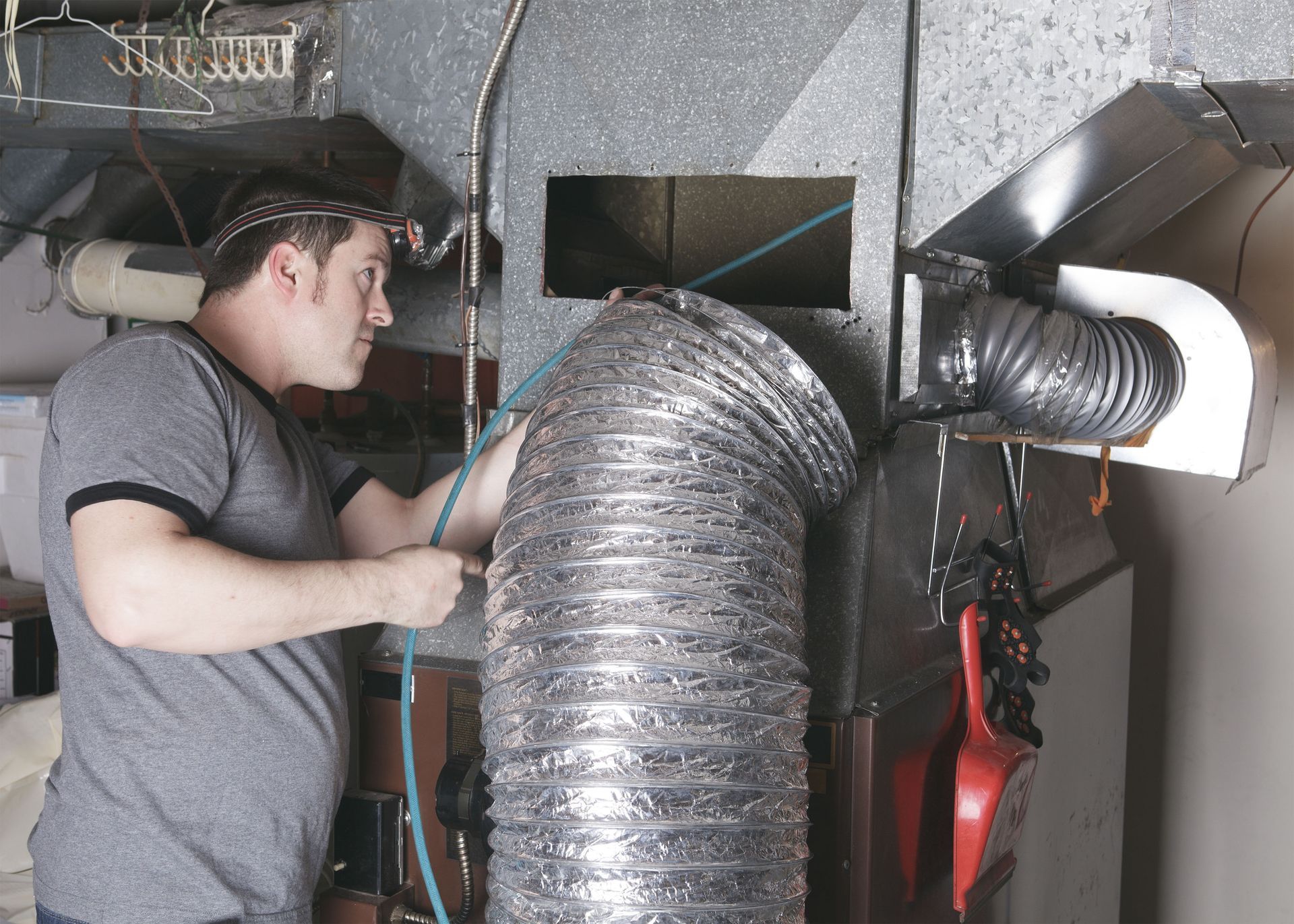
Your ductwork carries cool air from the system to every room in your home. When those ducts have gaps, loose connections, or damaged sections, a portion of that cool air escapes into attics, crawl spaces, or the inside of walls before it ever reaches you. This means you are paying to cool spaces you never use.
Leaky ducts often leave rooms feeling stuffy. To make up for the lost air, the system runs longer and harder, driving up energy use. Because ductwork is hidden, these problems can go unnoticed for years. A professional inspection can locate leaks and restore a tight, efficient path for cool air to travel through your home.
Air Leaks That Let Comfort Escape
Even if your AC is working perfectly, your home itself can be part of the problem. Gaps around windows and doors, worn seals, and areas with thin or damaged insulation allow cool air to slip outside and warm air to creep in. Your system then has to keep running to replace the cool air you are losing.
Good insulation works like a protective barrier that helps your home hold onto its cooled air. When insulation is lacking, indoor temperatures rise faster, and your AC cycles on more often. This constant cycling increases energy use and adds wear to the equipment. Professional insulation and sealing services can address these weak spots so your cooling system does not have to fight against your home's structure to keep you comfortable.
Aged Units That Lose Efficiency
Like any piece of equipment, air conditioners lose efficiency as they get older. Parts wear down, motors work less smoothly, and the system needs more energy to deliver the same level of cooling it once did. If your unit is more than ten to fifteen years old, it may be costing you far more to run than a newer model would.
Signs that your AC may be nearing the end of its life include frequent breakdowns, rising energy bills, and trouble keeping your home cool on hot days. If you are scheduling air conditioner repair more and more often, it may be time to compare the cost of ongoing fixes against the long-term savings of a replacement. Today's systems are built with energy efficiency in mind and are rated using measures like SEER, which shows how much cooling a unit delivers for the energy it uses. A higher rating generally means lower operating costs. A professional can help you weigh your options and choose a system that is the right size for your home.
Maintenance Gaps That Raise Costs
Skipping regular maintenance is one of the most common reasons AC systems become less efficient over time. Without routine care, dirt builds up on coils, small parts loosen, and minor issues quietly grow into bigger ones. Each of these changes forces the system to work a little harder, and the extra energy use adds up month after month.
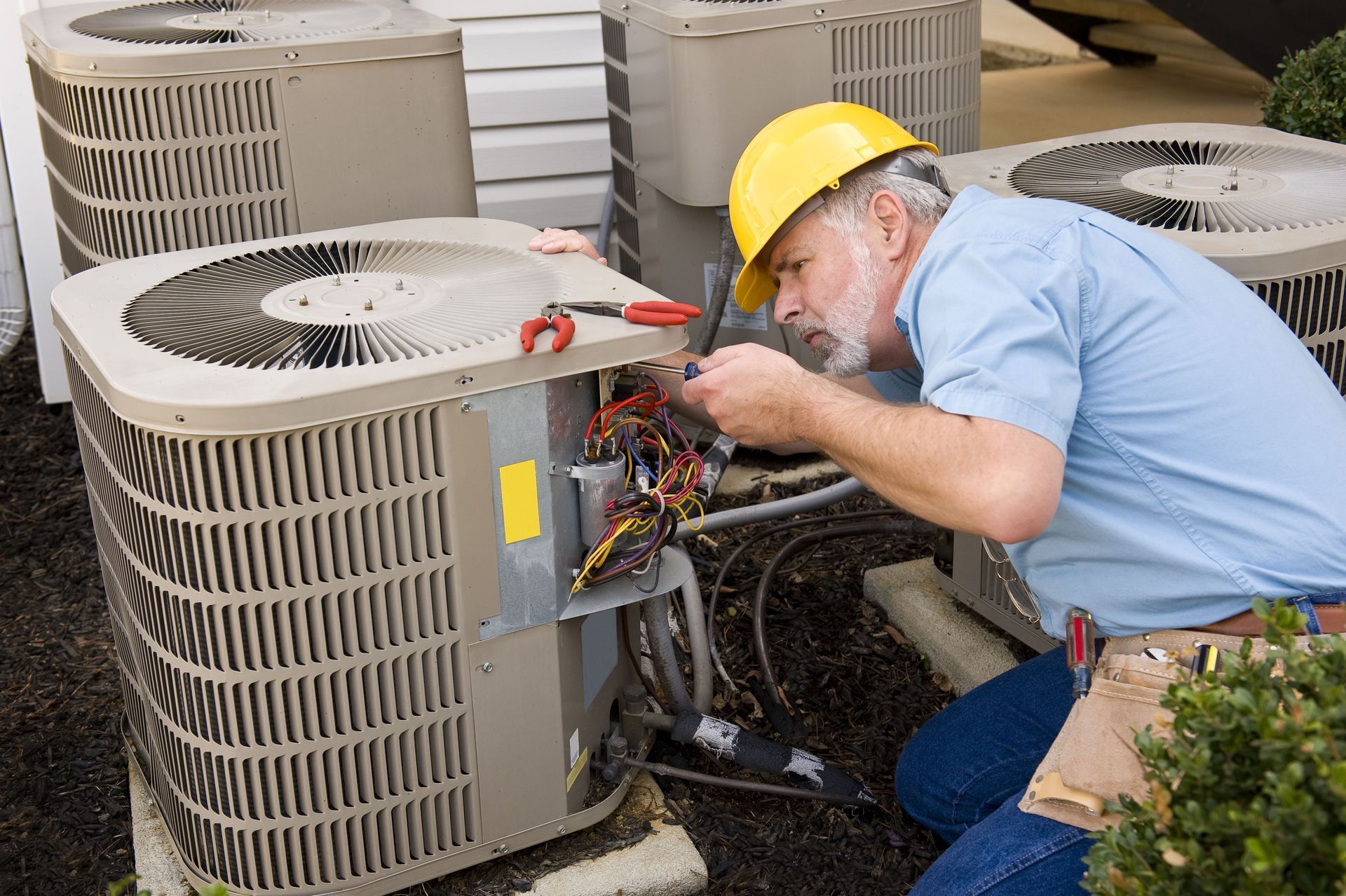
Professional tune-ups give technicians a chance to clean key components, check refrigerant levels, test electrical connections, and confirm that the thermostat is working correctly. They can also spot early warning signs that the average homeowner might miss, such as a slow refrigerant leak or a motor that is beginning to fail. Catching these problems early helps you avoid unexpected breakdowns and costly emergency air conditioner repair during the hottest part of the year. Scheduling maintenance at least once a year, ideally before summer begins, is one of the best ways to keep your system running efficiently and your energy bills under control.
Rising energy bills are often a sign that your air conditioning system needs attention. From thermostat issues and dirty filters to refrigerant leaks, leaky ducts, poor insulation, aging equipment, and missed maintenance, many common problems quietly push your costs higher. The sooner these issues are addressed, the sooner you can enjoy a cooler home without the shock of a high utility bill. If you have noticed your bills creeping up or your home not feeling as cool as it should, now is the time to act. Contact Ace Heating & Cooling today to schedule professional air conditioner repair and get your system running at its most efficient.