November 16, 2026
When you think about staying healthy, things like eating well, exercising, and getting enough sleep usually come to mind first. However, the air you breathe inside your own house plays a massive role in your everyday well-being. According to the U.S. Environmental Protection Agency (EPA), since people in the U.S. pass roughly 90% of their time indoors, they are often exposed to indoor air pollutants at levels two to five times higher than outdoor air. Recognizing the warnings before minor discomfort turns into a major problem is essential for keeping your household safe and comfortable.
1. Uncovering Unexplained Respiratory Issues
One of the most frequent indicators that your living space suffers from poor air health is a spike in unexplained upper respiratory symptoms. If you or your family members constantly experience lingering congestion, frequent coughing, sneezing, or throat irritation while relaxing at home, your breathing environment is likely compromised. These symptoms often mimic seasonal allergies or a common cold, but they refuse to go away no matter what over-the-counter remedies you try. You might notice that your symptoms clear up when you spend a day at work or step out for weekend errands, only to return the moment you step back through your front door. Trapped allergens like pollen, dust mites, and microscopic debris continuously circulate through your ductwork, aggravating your airway day after day.
2. Spotting Persistent Dust Accumulation
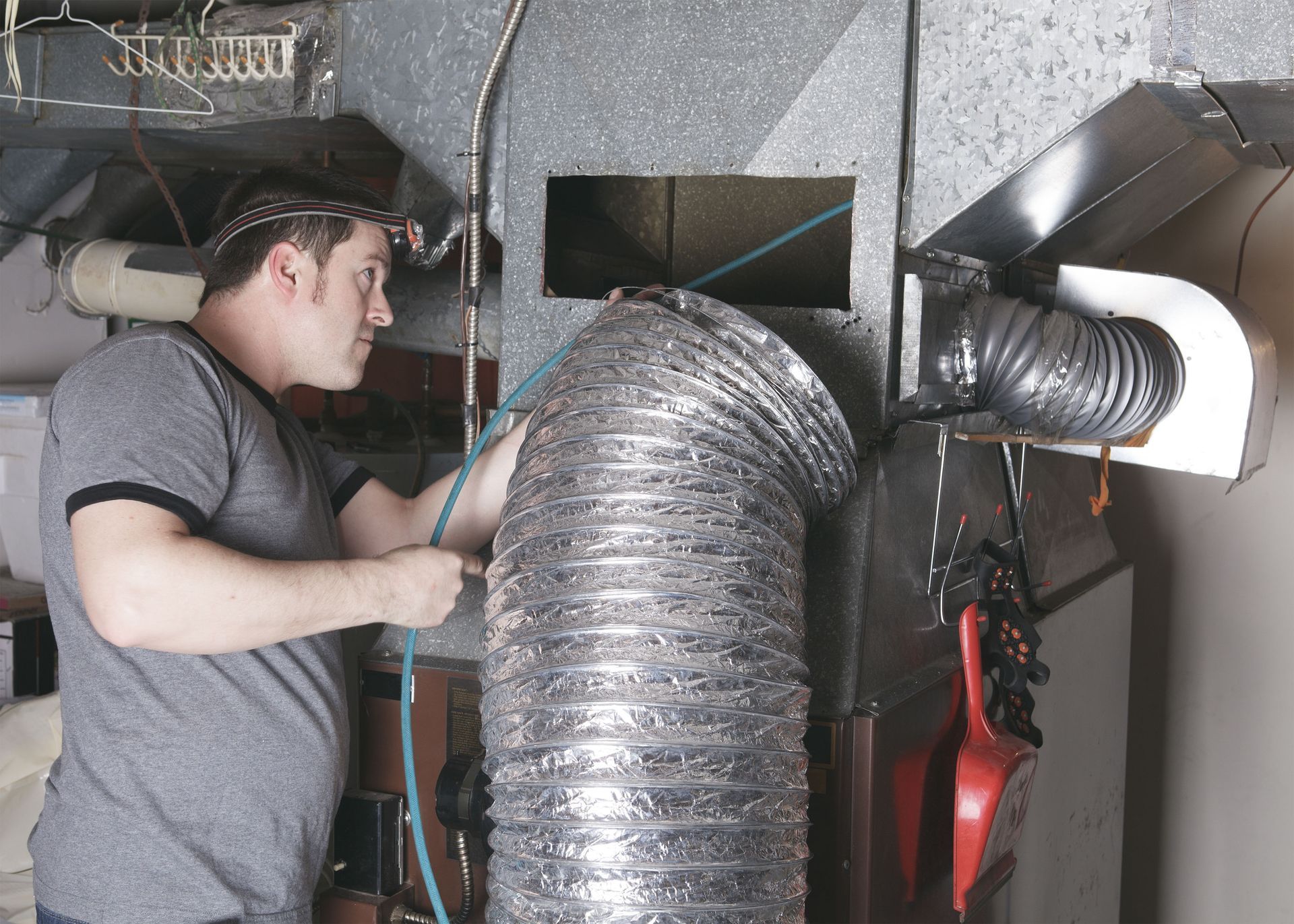
If you find yourself wiping down your coffee tables, bookshelves, and countertops every single day only to watch a fresh layer of grime settle hours later, your ventilation network isn't doing its job. Excessive household dust is far more than just a visual nuisance; it indicates that your heating and cooling equipment is simply recirculating airborne particulate matter instead of filtering it out properly. While some settling is natural, heavy buildup around your supply registers, ceiling fan blades, and furniture points toward clogged filters or leaking ductwork. When ducts pull in dirty air from unfinished attics or crawlspaces, they distribute those contaminants straight into your primary living zones. Investing in comprehensive indoor air quality services can tackle dirty supply lines and inadequate filtration, stopping dust at the source before it blankets your living spaces.
3. Identifying Unpleasant Household Odors
Stepping into your home after a long day should bring a sense of comfort, not a whiff of musty, stale, or sour smells. If cooking odors, pet scents, or damp aromas linger in your living area for days on end, your home lacks proper ventilation and fresh air exchange. Stagnant air traps odor-causing molecules, making it nearly impossible to keep your living space smelling fresh with simple room sprays or scented candles. Even worse, persistent musty smells often point to hidden mold growth or excess humidity trapped within your walls, basement, or ceiling cavities. Hiding these smells with heavy air fresheners only adds synthetic chemicals to the environment. Choosing targeted indoor air quality services allows you to neutralize stubborn scents at the structural level and restore a clean, fresh aroma to your entire residence.
4. Sensing Uncomfortable Humidity Spikes
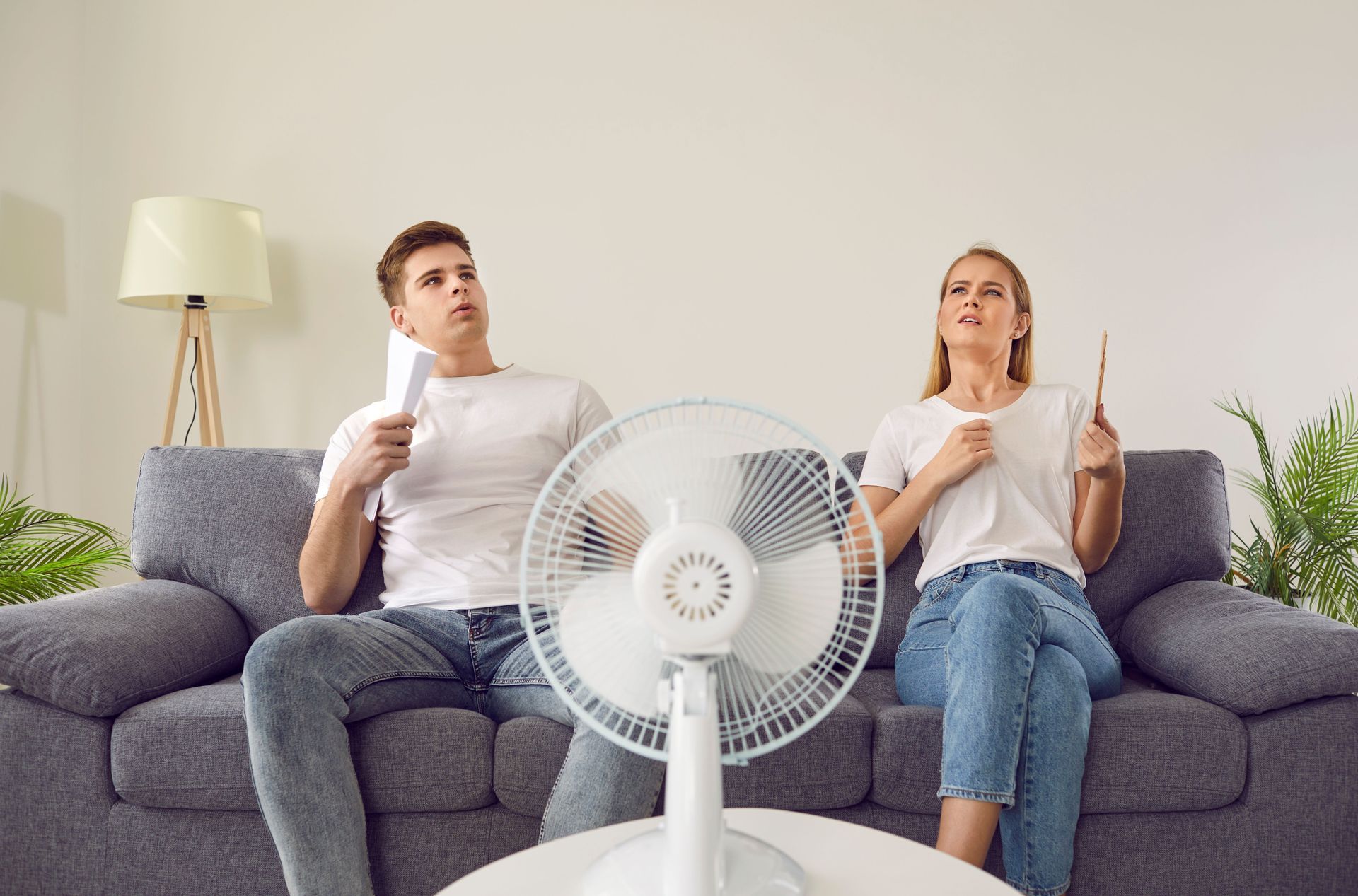
Maintaining balanced indoor moisture is a delicate science that directly impacts how your home feels and functions throughout the seasons. If your living space feels uncomfortably sticky and humid during warm weather, or excessively dry with static shocks during cold spells, your airflow balance is out of sync. High humidity levels create a breeding ground for mold spores, mildew, and dust mites, which thrive in damp conditions and deteriorate your drywall and furnishings. On the flip side, extremely dry air irritates your nasal passages, dries out your skin, and can even cause structural wood trim to shrink and crack. When your comfort systems fail to regulate moisture levels appropriately, turn to specialized indoor air quality services to restore ideal humidity balances that protect both your family and your property.
5. Noticing Frequent Headaches and Fatigue
Experiencing recurring headaches, unexplained dizziness, or general fatigue while spending time indoors is a subtle yet serious sign that your environment needs attention. Poorly ventilated spaces often accumulate high levels of volatile organic compounds, which off-gas from everyday items like paints, cleaning chemicals, new carpets, and synthetic furniture. When these chemical vapors mix with elevated carbon dioxide levels from everyday breathing, your oxygen supply drops, leaving you feeling sluggish, irritable, and physically exhausted. Many homeowners mistakenly blame these symptoms on a lack of sleep or work stress without realizing their living environment is the real cause. Scheduling professional indoor air quality services can clear out dangerous chemical vapors, replenish your home with fresh oxygen, and boost your overall daily energy.
6. Observing Visible Mold and Mildew
Visual evidence of dark spots, patchy growth, or fuzzy residue on your walls, baseboards, window sills, or around supply vents is a clear emergency signal. Mold thrives in dark, damp spaces with poor circulation, and once it takes hold, it continuously releases tiny reproductive spores into your breathing zones. Exposure to airborne mold spores can cause severe reactions, ranging from eye irritation and skin rashes to severe asthma attacks and long-term health complications. Merely scrubbing away visible spots with household bleach doesn't solve the underlying moisture and circulation issues feeding the growth beneath the surface. Relying on expert indoor air quality services ensures that mold spores are safely neutralized and that structural moisture issues are corrected to prevent future outbreaks.
7. Recognizing Uneven Air Circulation
If certain rooms in your house feel uncomfortably hot, cold, or drafty while other areas remain pleasant, your overall air distribution is severely compromised. Stagnant zones with little to no airflow allow airborne pollutants, stale moisture, and heavy dust particles to collect in concentrated pockets. This uneven circulation forces your primary comfort equipment to work much harder than necessary, driving up your monthly utility costs while failing to keep every room comfortable. Poor airflow usually stems from undersized ductwork, leaky ventilation lines, or improperly balanced registers that restrict natural air movement. Utilizing advanced indoor air quality services optimizes system distribution, eliminating dead zones and ensuring clean, conditioned air reaches every corner of your home uniformly.
8. Detecting Excess Pet Dander
While furry companions bring immense joy to a home, they also introduce a continuous stream of pet dander, dried saliva, and outdoor allergens into your living spaces. Pet dander consists of microscopic skin flakes that remain suspended in the air for extended periods before settling into carpets, upholstery, and bedding. If your eyes water or your skin hitches whenever you pet your dog or cuddle your cat indoors, your system is failing to trap these microscopic proteins. Standard fiberglass filters are rarely strong enough to capture fine pet allergens, allowing them to recirculate repeatedly through your living quarters. Upgrading your home through custom indoor air quality services ensures high-efficiency filtration systems capture fine pet dander before it can trigger discomfort for your family and guests.
Taking proactive control of your home environment transforms your living space into a true sanctuary of health, comfort, and peace of mind. Paying attention to these warning signs allows you to solve minor air issues before they evolve into costly structural repairs or health challenges. By addressing dust buildup, humidity imbalances, lingering odors, and ventilation issues, you protect your family and your property for years to come. When you are ready to breathe cleaner, fresher, and healthier air in every room of your house, contact Ace Heating & Cooling to schedule a comprehensive evaluation today.