July 31, 2026
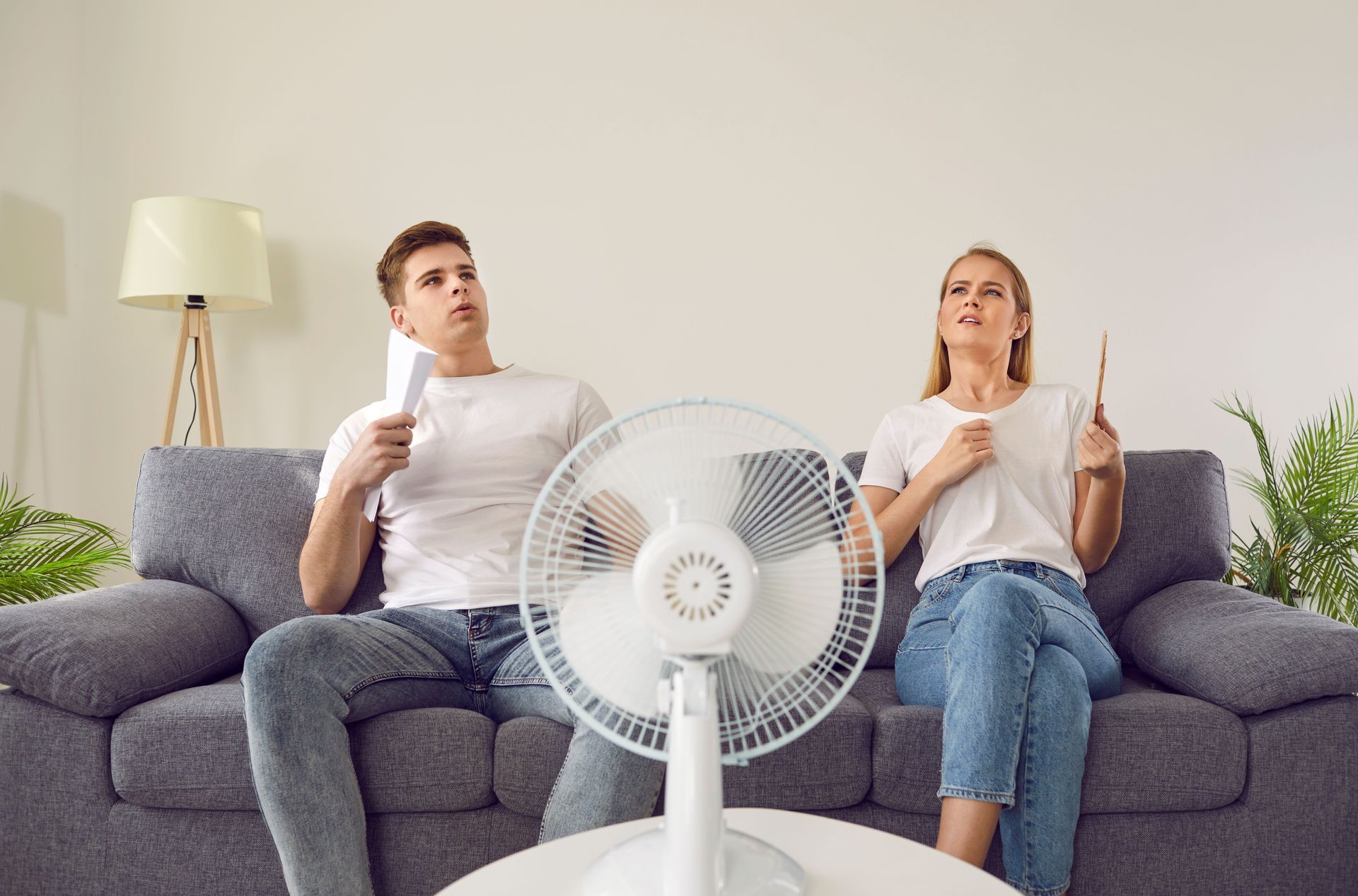
Nothing feels worse during a hot summer day than stepping inside and discovering your air conditioner is blowing lukewarm air. Many homeowners immediately worry about major mechanical failures or expensive replacements when this frustrating issue happens. Understanding the common causes behind this malfunction can save you both stress and unnecessary repair expenses. In many situations, simple troubleshooting steps can resolve the problem before you even need to call for professional help. Working with a reliable HVAC company ensures that your system gets back to delivering crisp, cool air quickly.
According to Industry Research, nearly 54% of HVAC service calls involve resolving air conditioner performance issues like warm air delivery. This common problem can stem from minor settings mistakes, clogged components, or serious electrical faults. Ignoring the early warning signs often leads to higher monthly utility bills and additional wear on your equipment. Taking prompt action keeps your living space comfortable and protects your cooling system from long-term damage. The following sections explore the most frequent reasons your unit might be blowing warm air and what you should do about them.
Check Your Thermostat Settings
The thermostat acts as the central control hub for your entire heating and cooling equipment. Sometimes, the easiest fix for a malfunctioning air conditioner involves correcting a simple setting error on the display screen. If your fan setting is switched to ON instead of AUTO, the blower will run continuously even when the cooling cycle turns off. This continuous operation blows ambient room air through your vents, making it feel like warm air is circulating throughout your home. Simply changing the fan setting back to AUTO ensures that air only flows when the system actively cools.
Another common thermostat oversight involves incorrect temperature calibrations or low batteries in digital units. When internal batteries die, the thermostat may lose communication with the outdoor condenser unit entirely. You should also verify that the system mode is firmly set to COOL rather than HEAT or FAN ONLY. Accidental bumps or curious family members can easily change these settings without anyone noticing right away. If you verify these settings and still notice warm air, contacting a local HVAC company for assistance is your best next step.
Upgrading to a modern programmable or smart thermostat can also prevent many of these temperature inconsistencies. Smart thermostats allow you to monitor system performance directly from your smartphone, alerting you whenever temperature spikes occur. They also feature automatic scheduling features that minimize unnecessary strain on your cooling hardware during peak outdoor temperatures. Installing a new controller provides peace of mind while improving your overall energy efficiency.
Clean Your Dirty Filters
A clogged air filter represents one of the most frequent causes of improper cooling performance in residential systems. As dust, pet hair, and debris accumulate on the filter screen, airflow through your home becomes severely restricted. Restricted airflow prevents the system from pulling warm air out of your living space efficiently. Over time, this restriction starves the system of necessary air volume, leading to improper cooling cycles and warm air output. Replacing your filter every one to three months prevents these restrictive blockages from developing.
When airflow becomes extremely limited, the internal components of your air conditioner can freeze solid. The cooling coils require steady air passage to absorb heat properly, and without it, ice rapidly builds up on the evaporator coils. Frozen coils block air movement entirely, resulting in warm air blowing from your supply vents. When freezing occurs, calling a licensed HVAC company is the best option to evaluate potential component stress. An experienced HVAC company can replace damaged parts and restore proper airflow safely.
Consistently operating an air conditioner with dirty filters also increases your monthly energy costs dramatically. The system must run longer and work significantly harder to reach your desired indoor temperature setting. This extra workload causes unnecessary strain on the blower motor and shortens the overall lifespan of your equipment. Keeping a supply of fresh filters at home makes routine maintenance quick and convenient for every homeowner. Regularly checking filter cleanliness protects your budget and maintains strong airflow all summer long.
Inspect Your Outdoor Unit
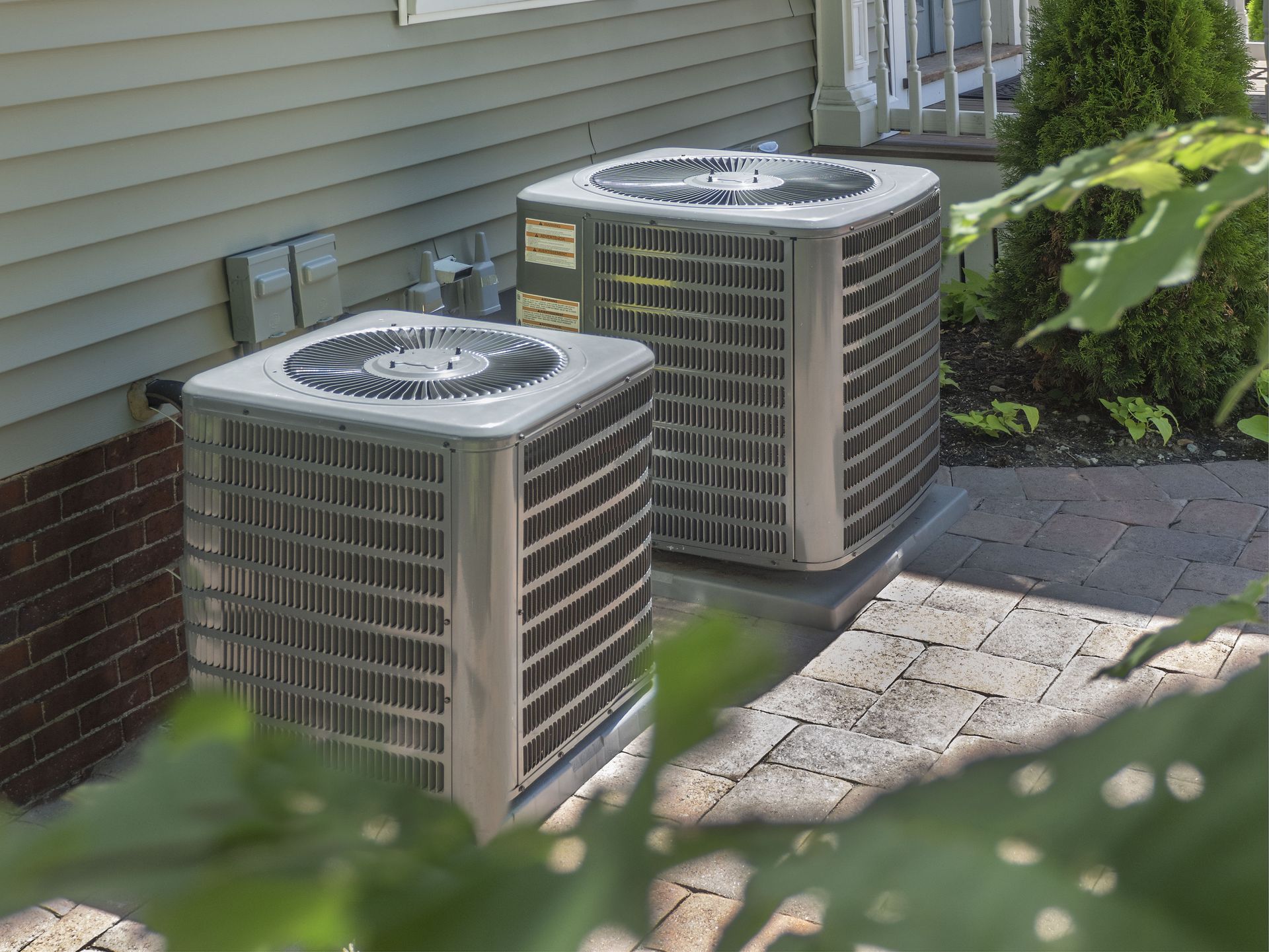
The outdoor condenser unit plays a vital role in releasing absorbed heat from inside your home into the outside air. Because this equipment sits outdoors year-round, it frequently accumulates dirt, leaves, grass clippings, and garden debris. When debris wraps around the condenser fins, the unit cannot shed heat effectively during operation. This thermal buildup forces the cooling system to circulate warm air back into your living areas. Clearing away weeds, trash, and vegetation within a two-foot perimeter helps maintain proper ventilation.
Electrical components within the outdoor cabinet can also suffer from extreme weather exposure and routine wear over time. Defective capacitors, worn contactors, or blown fuses can prevent the compressor from turning on while the indoor fan continues running. When the fan runs without the compressor operating, the unit simply circulates room-temperature air through your ductwork. A professional HVAC company will clear electrical panel issues and replace faulty parts to get the compressor running again.
Power supply interruptions can similarly cause your outdoor condenser to shut down while indoor fans stay powered. Check your home circuit breaker panel to see if the dedicated breaker for the outdoor unit has tripped. Resetting a tripped breaker once may solve the issue, but recurring trips indicate a deeper electrical problem. You should avoid resetting the breaker repeatedly because doing so risks damaging delicate wiring and components inside the unit. Persistent electrical trips require immediate professional inspection to prevent permanent damage to your compressor.
Address Your Low Refrigerant
Refrigerant is the vital fluid that absorbs indoor heat and transfers it outside through a continuous loop. Because air conditioners operate in a closed system, refrigerant should never decrease under normal operating conditions. If your system runs low on refrigerant, a leak is actively present somewhere in the copper lines or coils. Low refrigerant levels directly cause the system to blow warm air because there is not enough chemical medium to absorb heat. Continuing to operate a unit with low refrigerant can lead to catastrophic compressor failure over time.
Locating and repairing a chemical leak requires specialized tools, technical training, and environmental certification. Only a trusted HVAC company must handle leak testing, line repairs, and precision refrigerant recharging procedures. Attempting to add refrigerant without fixing the underlying leak wastes money and harms the environment. A qualified HVAC company ensures that all repairs comply with strict environmental safety guidelines and manufacturer specifications. Proper repairs stop active leaks, protect your investment, and restore cold airflow to your home quickly.
Recognizing the early indicators of a refrigerant leak helps you take action before total system breakdown occurs. Signs include bubbling or hissing noises near the outdoor unit, ice formation along copper lines, and elevated indoor humidity levels. You might also notice that your cooling system runs constantly without reaching the desired setpoint on your thermostat. If you observe any of these warning signs, turn off your air conditioner immediately to prevent permanent damage. Fast intervention saves energy and prevents small leaks from escalating into expensive equipment replacements.
Dealing with an air conditioner blowing warm air can turn a warm summer day into a miserable experience very quickly. As we have seen, the causes range from simple thermostat errors and dirty filters to complex electrical failures and refrigerant leaks. Addressing minor issues early protects your system components from excessive wear and keeps your energy expenses manageable. Taking time to perform simple checks often resolves basic problems without requiring technical intervention or costly repairs. Regular maintenance remains your absolute best strategy for preventing unexpected system failures during heatwaves.
When basic troubleshooting steps fail to restore cold air, our dedicated team at Ace Heating & Cooling is here to help. As your trusted local
HVAC company, we deliver fast, reliable, and professional cooling services to keep your home comfortable all summer long. Contact us today to schedule your comprehensive air conditioning inspection and experience our exceptional customer service firsthand.